
Listen to This Episode
Episode Length: 2:48
The Text My Kids Actually Read
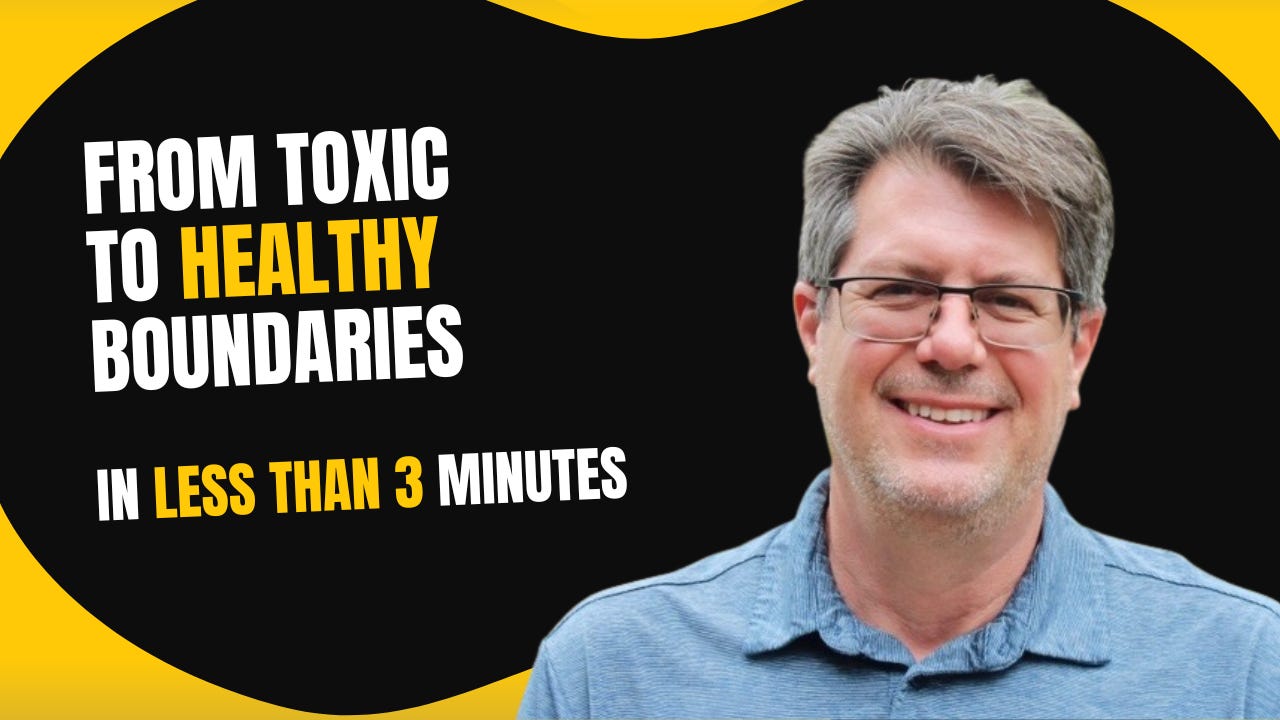
Here’s the thing nobody tells you about being a parent—or a mentor, or a friend, or anyone who cares for people: sometimes your kids rename your loving group text from “Parents and Partners” to “Things Dad Shares When He’s Bored.”
And they change the wholesome family photo to a photo of you sleeping in your favorite chair as the icon.

Often, the people closest to us roll their eyes at the exact moments we’re offering them something they desperately need.
But I keep showing up anyway.
Because that’s what love does.
(Love also keeps its phone handy for when THEY doze off on the sofa after a bountiful Sunday dinner.)
The Four Traits That Change Everything
I write about and teach my mentees about learning to recognize the voices that matter—the ones we should lean into versus the ones we need to lovingly distance ourselves from. And recently, I shared something on that group text with my kids that comes directly from John Townsend’s brilliant book People Fuel.
John identifies four traits of what he calls a “chronic”—someone who needs your support, but not your enabling. Someone you care about but need boundaries with.
Here they are:
Ongoing Struggles
We all go through hard seasons.
That’s not what this is about.
This is about someone whose struggles persist—month after month, year after year, decade after decade—without meaningful change.
Little Insight Regarding Their Part
They can’t or won’t see how their own choices contribute to their situation.
It’s always external.
Always someone else’s fault.
The circumstances, the economy, that person who wronged them five years ago.
Dysfunctional Behavior Patterns
The same cycles repeat.
The same decisions that didn’t work last time get made again.
And again.
There’s a predictability to the chaos.
Harmless in Intent, But Harmful in Impact
This is the hardest one.
They don’t mean to hurt you.
They’re not malicious.
But their impact on your life, your energy, your mental health, your resources—that impact is real and damaging.
Why This Matters to Your Season Design
Here’s what I’ve learned through my own journey:
You cannot design your next season while you’re being drained by someone else’s refusal to design theirs.
That sounds harsh.
I know it does.
And if you’re someone who leads with your heart (like me),
if you’ve been taught that love means endless patience and unlimited second chances (like me),
if the voice in your head is already whispering “but what if they really need you this time?”—then this lesson is going to cost you something to learn.
It cost me years.
I had to learn that supporting someone and enabling them are not the same thing.
That creating distance isn’t abandonment.
That healthy boundaries are an act of compassion.
Go Deeper:
The Difference Between a Champion and a Chronic
In my work helping service leaders recover from burnout and design their next season, I talk a lot about champions—the people who show up for you with patience, unconditional love, and strength even when you don’t deserve it.
Ms. Makin was my champion.
She rescued me in middle school when I needed one most.
Champions build you up.
They believe in your capacity to grow.
They hold space for your mess while also holding you accountable to become more than your mess.
Chronics are different.
A chronic pulls you into their patterns.
They transfer their anxiety onto you.
They need your rescue, but resist your solutions.
And over time—slowly, imperceptibly—
they begin to shape your identity around being their savior.
That’s not belonging. That’s enmeshment.
What to Do When You Recognize These Patterns
First, breathe. Because if you’re reading this and thinking of someone specific, you’re probably feeling guilty right now.
There is probably a voice in your head, cataloging all the reasons you’re a terrible person for even considering creating distance.
Let me be clear:
Recognizing these patterns doesn’t make you cruel.
It makes you healthy.
Here’s what I do:
Support them, but from a distance.
You can still care.
You can still check in.
You can still hope and pray and want good things for them.
But you don’t have to sacrifice your own peace on the altar of their refusal to change.
Don’t enable the behavior.
Stop rescuing them from the natural consequences of their choices.
Stop offering solutions they won’t implement.
Stop funding patterns that only repeat.
Protect your energy for your champions and your mission.
You have people in your corner who are actively building you up.
You have work to do that matters.
Your energy is not infinite.
Remember: this is about patterns over time, not individual moments.
We all have chronic moments.
We all have seasons where we’re the ones struggling to see our part.
Grace goes both ways.
But chronic patterns—those are different.
And they require different boundaries.
Today’s Action Step
Think of someone in your life right now who fits these four traits.
You don’t have to tell them.
You don’t have to have a dramatic confrontation.
Just notice.
Then ask yourself:
What would it look like to love this person without enabling them?
What boundary would honor both their dignity and yours?
What would it feel like to stop trying to rescue them and start trusting that they will find their own way?
Write it down.
Not to share.
Just to know.
Because naming the pattern is the first step toward designing a healthier season.
Show Notes & Resources
Books Mentioned:
People Fuel by John Townsend
Breaking Building Belonging: Why the Voices We Follow Matter by John S. Johnson
Key Concepts:
The Four Traits of a Chronic
Support vs. Enabling
Champions in Your Corner
Season Design
CHIT Principles (Curious, Humble, Intentional, Teachable)
Connect With Me:
Website: four4soaring.com
YouTube: @Four4Soaring
LinkedIn: in/four4soaring
Instagram: @four4soaring
All Links: linktr.ee/fourforsoaring
Want to continue the conversation?
Join the Service Leader Resilience Lab community where we design our next seasons together. Subscribe to this Substack to get tips on becoming Full of CHIT delivered to your inbox—stories, reflections, and practical tools for navigating life transitions with curiosity, humility, intention, and teachability.
Because here’s what I know:
You don’t have to navigate your breaking season alone.
You don’t have to figure out the building season by yourself.
The voices you follow matter. The boundaries you create matter.
Your next season matters.
Let’s design it together.
If this resonated with you, would you do me a favor? Share it with one person who needs to hear it. Not the chronic in your life—they won’t hear it yet. Share it with someone who, like you, is learning that boundaries matter.

That’s how we build this community. One honest conversation at a time.